Software and IT
I support the IT departments of corporate companies with my own team — and every application I write runs inside a real business, starting with my own.
What ArfYzd Bilişim does
We don't replace a company's IT department, we stand next to it: their own team keeps the daily work running, and we take on the jobs that need specialist hands or more people than they have.
The work started in the 2010s by supplying technology products to corporate companies. Being the side that delivered the hardware, I saw that the problem was usually not the hardware but the question of who would own it; over time the work moved from supply to service.
I have never advertised this side. The work came through people who knew us, it stayed small on purpose and it never showed up online. This page is the first place the IT work is described openly.
What we actually do
Virtualization
Running several virtual machines on one physical server, gathering old standalone servers onto one platform, keeping workloads isolated from each other. In practice that means: a hardware failure doesn't stop the business, a new server doesn't have to wait on a purchase order, and a test environment can be opened without putting production at risk.
Databases and data infrastructure
Setting up, configuring and maintaining the database. We put the backup routine in place and — more importantly — we run the restore drill. Taking backups isn't enough; until someone has actually restored from one, the backup doesn't count. On top of that, watching queries that have slowed down and planning for data that keeps growing.
Networks
Local network and cabling design, the wireless plan, branch and remote office links, firewall rules, and putting in writing who is allowed to reach what. Most network problems don't come from a fault; they come from nobody keeping the diagram up to date.
Server management
Installation, updates, monitoring and hands-on response when something breaks. We set up a way to see whether disks are filling up and whether services are genuinely running; the point is to see the problem before a user rings to report it.
Who we are a fit for
Where we fit: companies that have their own IT department, but not enough people in it to cover everything. A team of one or a few keeps the daily work moving; a virtualization rollout, a database migration or a network refresh will tie that team up for months. Those are the jobs we step in for.
Where we don't fit: single-computer support for small shops, and consumer repair work. I don't take that work on, because there is nothing there to build properly on.
How we work
A look on site
I don't quote before I have seen what is actually there.
Findings in writing
What exists, what is missing, what is urgent — written out item by item.
Scope and order
Instead of doing everything at once, we start with the item that carries the most risk.
The work itself
If something has to go down during working hours, we say so beforehand. No surprise outages.
Handover and continuity
We document what we did and hand it over to the company's own team; where a company wants it, we carry on as regular support.
The applications I wrote
I wrote all of the following. What they have in common: not one of them is a sample project — every one of them is running inside a real business.
Software in daily use
Food ordering platform on four platforms at once, plus the restaurant panel and the back office. There is a section further down that goes into it properly.
Job tracking for car service shops. Every step from vehicle intake to handover is on record: which vehicle, which job, who did it, when it went back to the customer.
The service ERP, online contracts the customer approves from their own phone, and one-time-code verification. A job that used to be signed on paper, moved fully into digital.
A life simulation game. Still in development; I don't publish before it's ready.
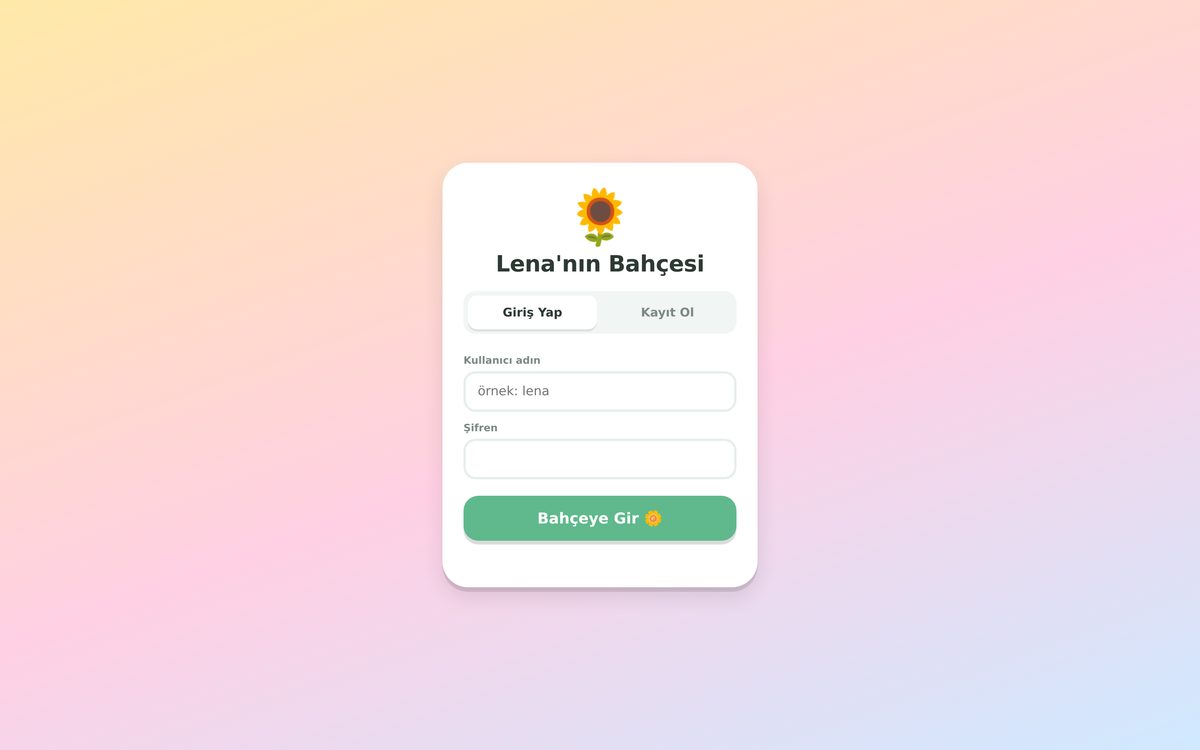
Lena'nın Bahçesi
A closed play area for children. No ads, no links leading out, nothing coming in from outside.
It was written for a child, so the rules were set for a child: nothing on the screen asks for money, nothing collects anything, and there is no way out of the garden by accident.
Four games, one backend
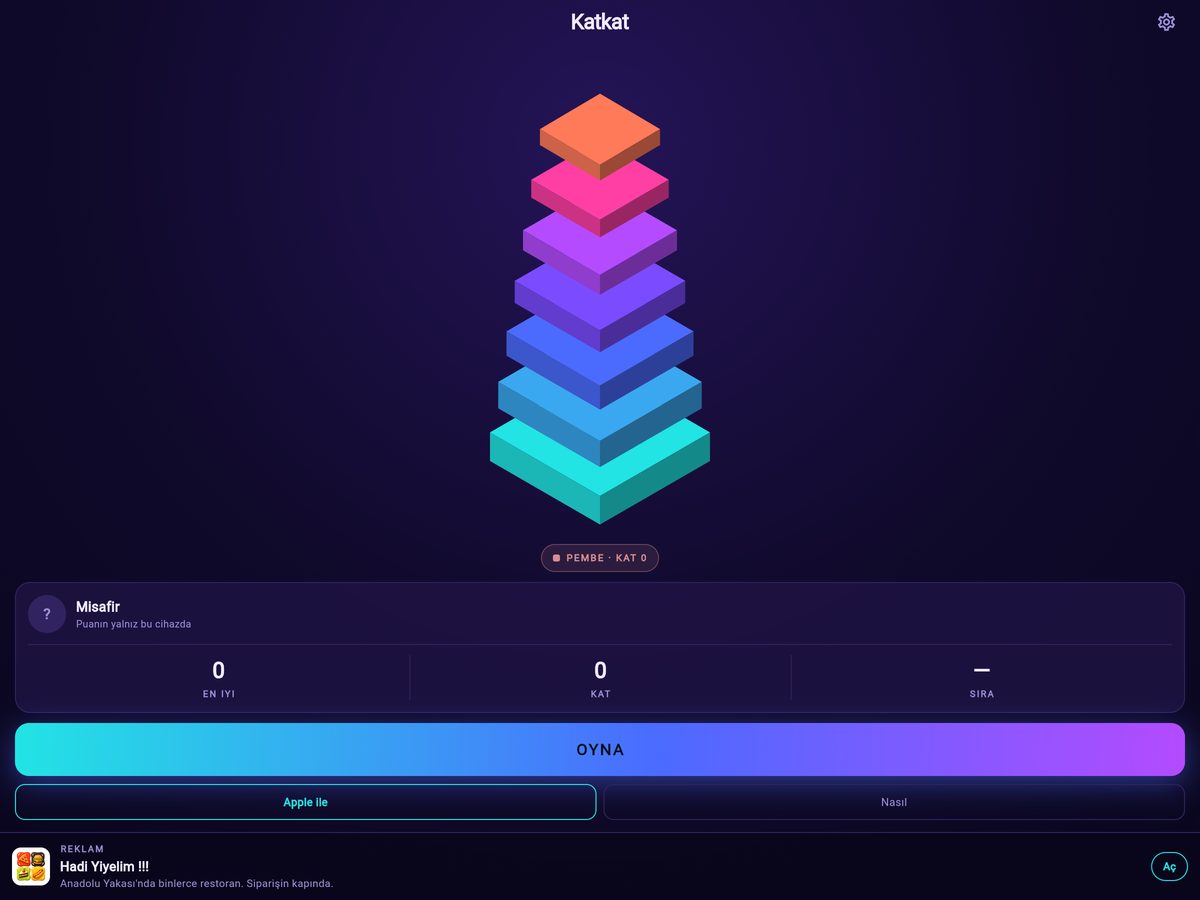
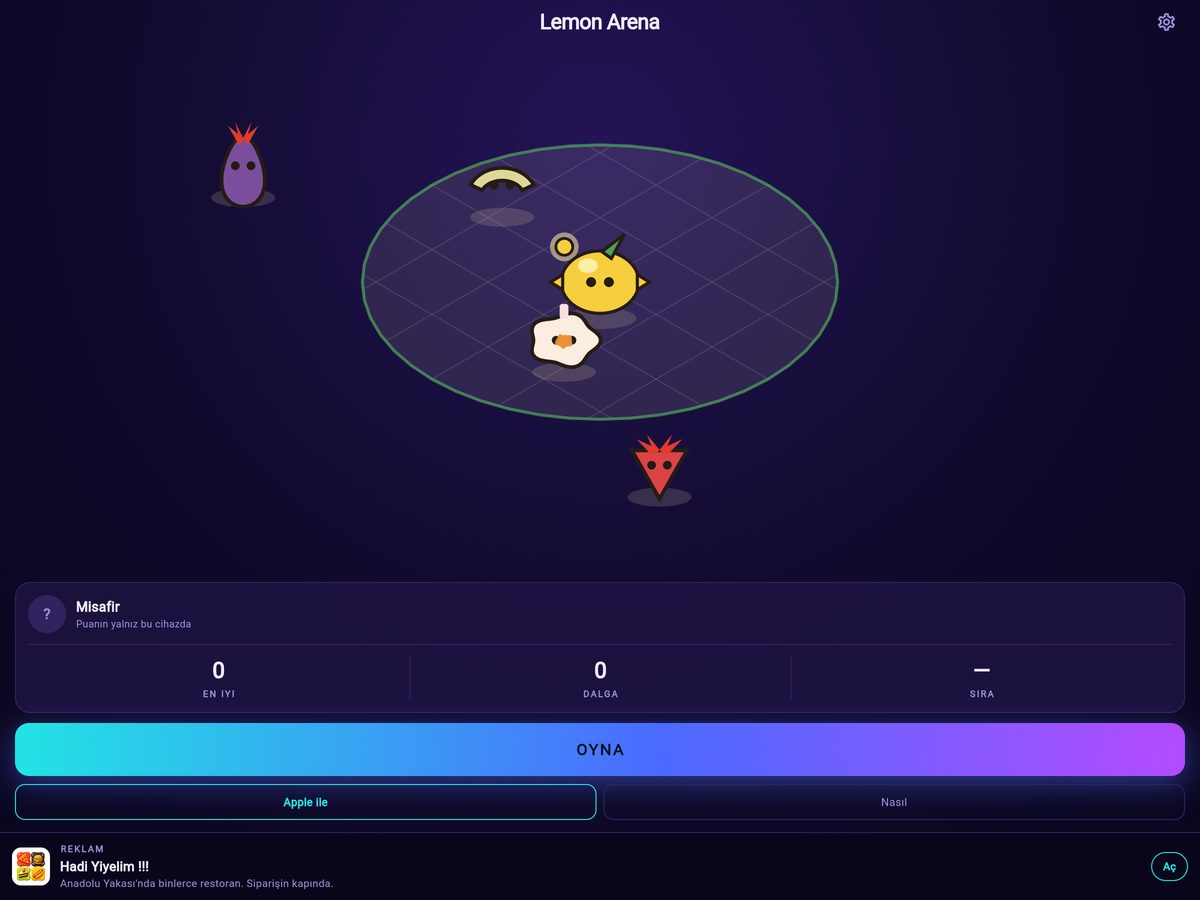
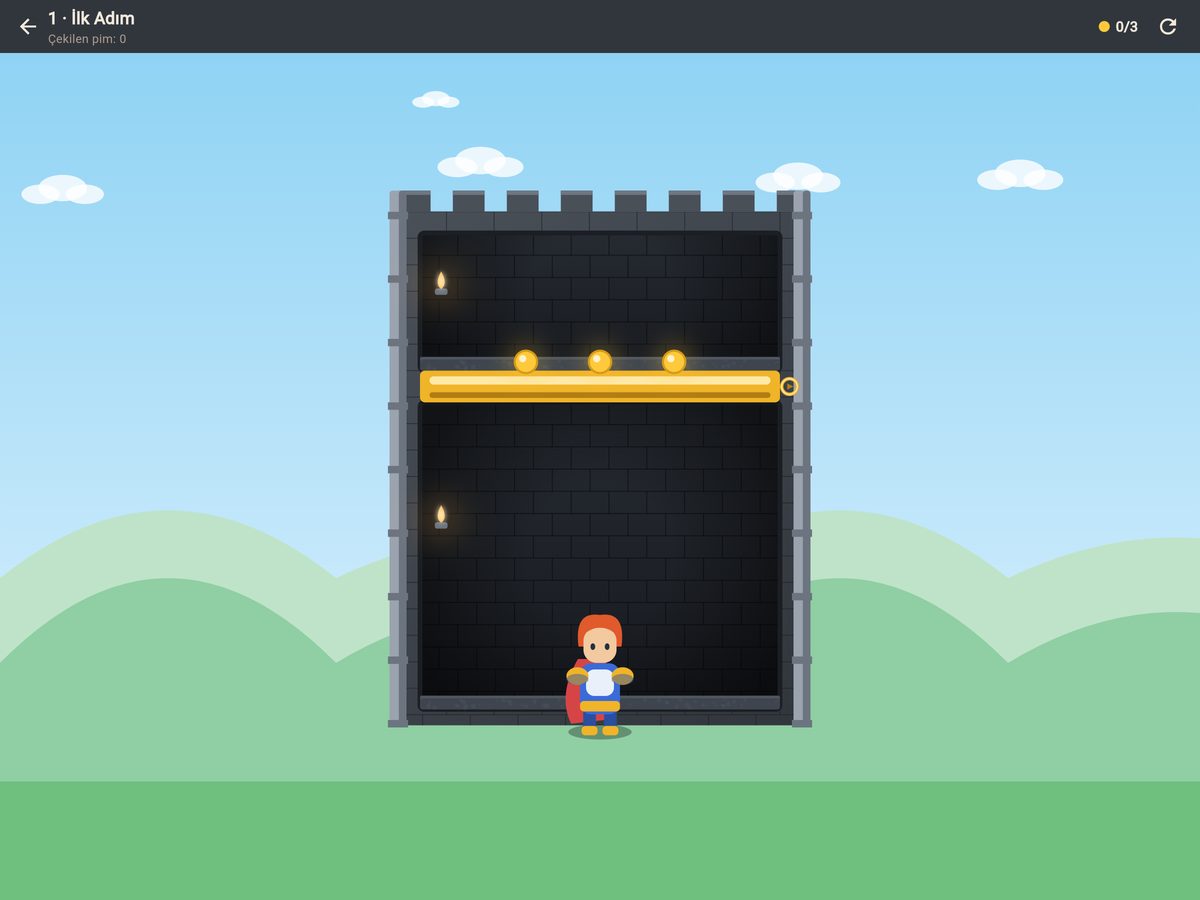
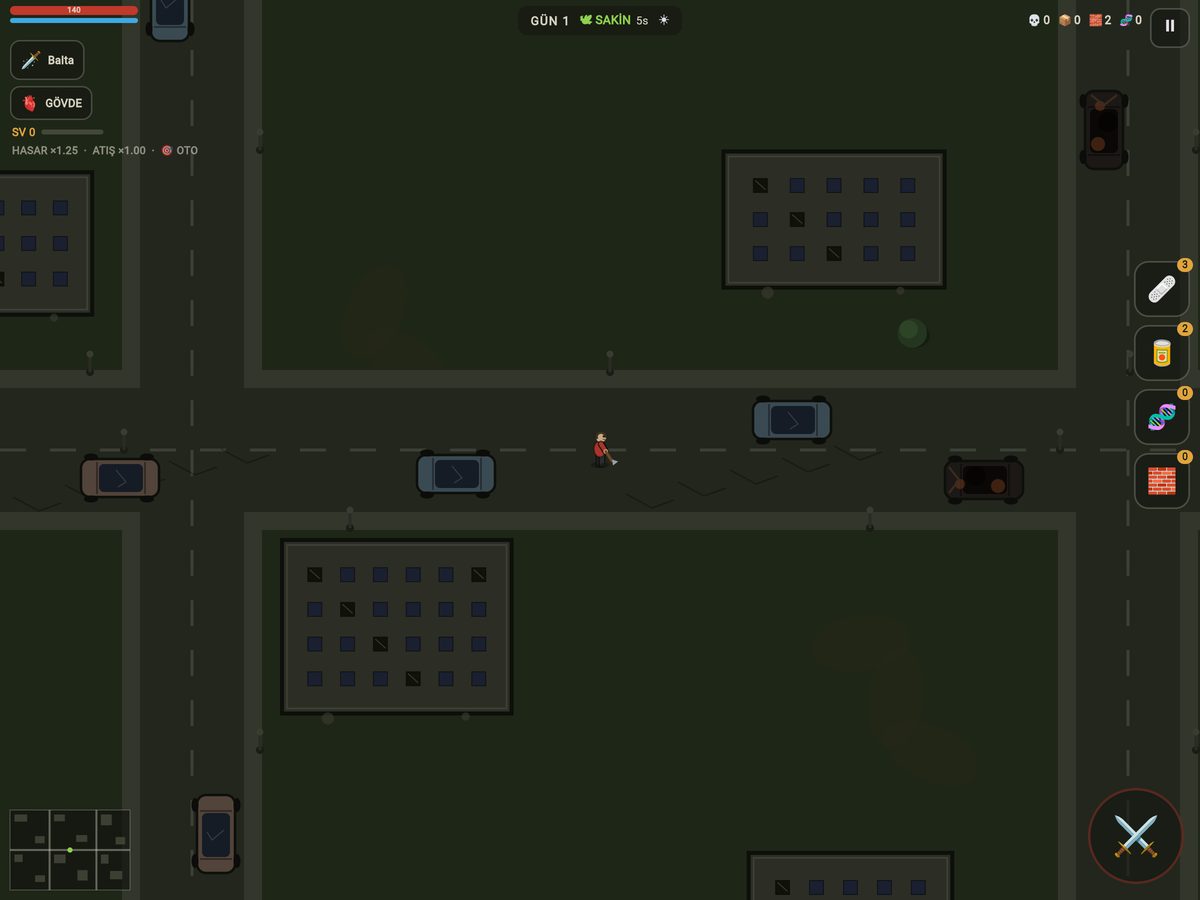
Katkat (isometric tower stacking), Lemon Arena (arena action), Süper Zeka (a pin-pulling puzzle) and Zombik (survival action).
All four are written in Flutter and share one account and leaderboard backend, so the work that went into the first one keeps paying for the rest.
The four layers of Hadi Yiyelim !!!
Everything that built up in the restaurants and in the code came together here. The system isn't one piece: it is four layers that talk to each other, and I wrote all four.
1 · Customer
Website, iOS app and Android app. All three run the same ordering flow; what exists in one exists in the others. Choosing an address, the menu, the basket, payment and order tracking.
2 · Restaurant
The restaurant's own panel. Accepting an order and setting the preparation time, menu and product management, opening hours, how busy the kitchen is. The measure I designed against: how many taps it takes to accept an order at the busy hour. Everything beyond that, I deleted.
3 · Courier
The courier's own app. Assignment, route, delivery confirmation and status updates. Built on the assumption that a courier who is riding cannot be fiddling with a screen.
4 · Back office
Restaurant applications and approvals, delivery coverage and zones, payments and settlement, sending notifications, the support flow. The layer the customer never sees and the one that keeps the system standing.